
Long hours with phones, laptops, and bright screens have changed how many people experience daily eye discomfort. The Vision Council’s 2023 Digital Eye Strain Report identified digital eye strain as a widespread concern among American adults. Reported symptoms include tired eyes, dryness, blurred vision, and headaches. These findings explain growing interest in Eye Massagers among international shoppers.
Still, a relaxing device is not a medical cure. The World Health Organization’s World Report on Vision emphasizes the importance of professional eye care, regular examinations, and early treatment. Eye Massagers may provide temporary comfort through gentle vibration, warmth, compression, or music. Their results can differ considerably. A warm mask may feel soothing after a long spreadsheet session. It may feel uncomfortable for someone sensitive to heat or pressure.
This guide compares 10 Best Eye Massagers for Global Buyers by examining features that matter in real use. These include temperature control, pressure settings, battery life, noise, hygiene, warranty coverage, and international charging compatibility. Product claims should be viewed carefully. Marketing language often sounds more certain than the available evidence.
Safety deserves attention. Users with glaucoma, recent eye surgery, retinal conditions, severe dry eye, or unexplained pain should seek professional advice first. Buyers should also check return policies and local electrical standards. Global availability does not guarantee equal after-sales support.
Some rankings may remain subjective. Comfort is personal. That is worth admitting. The best choice depends on intended use, medical context, budget, and tolerance for pressure. This comparison aims to make those decisions clearer, not replace an optometrist’s judgment.
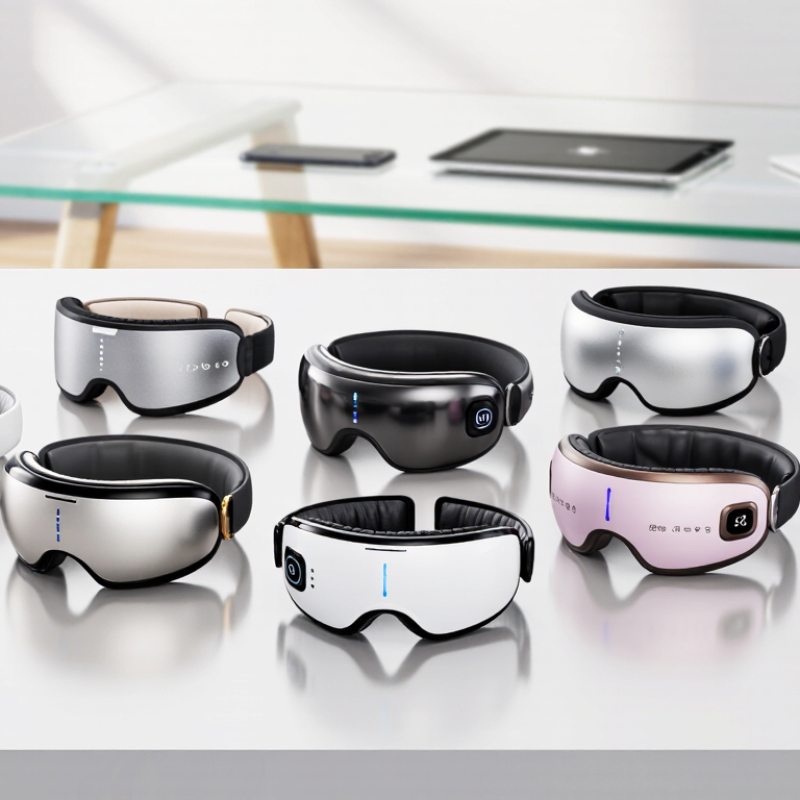
An eye massager is a handheld device designed to relax the skin and muscles around the eyes. It does not massage the eyeball itself. Most models combine gentle air compression, vibration, warmth, or calming sound.
Air cushions usually inflate around the temples and brow area. This creates a soft, rhythmic pressure similar to a light facial massage. Heat may loosen tight muscles and feel comforting after long screen sessions. Vibration adds movement, but stronger is not always better. The eye area is delicate.
In practical use, many people prefer a short session in a quiet room. A ten-minute setting can feel refreshing after reading, driving, or computer work. Results vary, and an eye massager cannot correct poor vision or treat eye disease. That distinction matters.
Choose adjustable pressure and moderate heat. The device should rest lightly without pressing the eyeballs. Stop immediately if you notice pain, blurred vision, dizziness, swelling, or unusual irritation. Users with glaucoma, recent eye surgery, severe dry eye, or other eye conditions should ask an eye-care professional before use. Contact lenses may also make sessions uncomfortable.
Some product descriptions promise too much. That deserves skepticism. A useful eye massager should offer clear instructions, washable contact surfaces, reliable charging, and safety information. For global buyers, check the voltage, plug type, warranty terms, and local return policy before purchase. Comfort is personal, and my first impression might change after repeated use.
When comparing eye massagers for global buyers, comfort should come before extra features. A flexible shell should rest gently around the brow and cheekbones without pressing the eyeballs. Adjustable straps help different users find a stable fit. I once preferred stronger pressure, but that choice caused discomfort after ten minutes. Gentler settings may suit more people.
Heat should feel warm, not hot. Look for clear temperature controls and automatic shutoff. Air compression should inflate evenly around the temples and brow area. A quiet motor matters, especially during travel or workplace breaks. Some devices offer vibration, music, or several massage programs. These additions sound useful, yet complicated controls can reduce daily use. Simple buttons are often easier to operate with closed eyes.
Battery life, charging type, and hygiene also deserve close comparison. A rechargeable model should provide clear charging indicators and protection against overcharging. Removable fabric covers are helpful because skin oils collect around the eye area. Check whether replacement covers are available in your market. Buyers should also inspect safety instructions, electrical certifications, warranty terms, and local voltage compatibility. People with eye conditions, recent eye surgery, severe headaches, or implanted medical devices should seek professional advice before use. Product descriptions can be incomplete. Independent testing and verified user feedback may reveal problems that advertising does not mention.
A practical comparison of common eye-massager configurations, specifications, comfort features, and buying considerations.
| Rank / Product Type | Best For | Heat Function | Air Compression | Vibration / Massage | Programs | Typical Session Timer | Battery / Power | Approx. Weight | Foldable Design | Key Buying Consideration |
|---|---|---|---|---|---|---|---|---|---|---|
| 1. Premium Heated Compression Massager | Full-feature relaxation | 約38–42°C / 100–108°F | Adjustable, usually 2–3 intensity levels | Low-frequency vibration or rhythmic tapping | 4–6 modes | 10–15 minutes | Rechargeable lithium battery; approximately 2–4 hours per charge | 300–450 g | Usually yes | Check pressure adjustment, heat consistency, and charging compatibility. |
| 2. Lightweight Travel Massager | Frequent travelers | Optional, approximately 38–40°C / 100–104°F | Gentle, typically 1–2 levels | Basic vibration | 2–3 modes | 10 minutes | Rechargeable USB battery; approximately 1.5–3 hours per charge | 220–320 g | Yes | Prioritize compact dimensions, protective storage, and USB-C charging. |
| 3. Adjustable-Pressure Eye Massager | Users sensitive to pressure | Usually included; approximately 38–42°C / 100–108°F | 3–5 selectable levels | Optional vibration or air-pulse massage | 3–5 modes | 10–15 minutes | Rechargeable battery; approximately 2–4 hours per charge | 300–430 g | Often yes | Look for independent controls for heat, pressure, and vibration. |
| 4. Warm-Air Eye Relaxation Mask | Dry, tired-feeling eyes | Gentle warming, approximately 38–40°C / 100–104°F | None or minimal | Usually none; soft airflow may be included | 1–3 modes | 10–20 minutes | Rechargeable or disposable warming inserts | 180–300 g | Commonly yes | Confirm temperature control and avoid products that become uncomfortably hot. |
| 5. Vibration-Focused Eye Massager | Users who prefer gentle movement | Optional, approximately 38–42°C / 100–108°F | Usually not included | 1–3 vibration intensities | 2–4 modes | 10–15 minutes | Rechargeable battery; approximately 2–5 hours per charge | 200–350 g | Sometimes | Assess noise level, vibration smoothness, and contact-point comfort. |
| 6. Bluetooth Audio Eye Massager | Audio-assisted relaxation | Usually included, approximately 38–42°C / 100–108°F | Gentle to moderate, 2–3 levels | Vibration or air compression | 3–5 modes | 10–15 minutes | Rechargeable battery; approximately 2–4 hours per charge | 300–450 g | Usually yes | Check Bluetooth stability, speaker placement, and whether audio can be disabled. |
| 7. Large-Fit Eye and Temple Massager | Larger head sizes and temple coverage | Approximately 38–42°C / 100–108°F | Moderate, usually 2–3 levels | Air pressure with optional vibration | 3–4 modes | 10–15 minutes | Rechargeable battery; approximately 2–4 hours per charge | 350–500 g | Often yes | Measure the adjustable strap and check whether the nose bridge leaves enough space. |
| 8. Compact Eye Mask with Manual Controls | Simple operation and low learning curve | Optional, approximately 38–40°C / 100–104°F | 1–2 levels | Basic vibration or pressure massage | 2–3 modes | 10 minutes | Rechargeable USB battery; approximately 1.5–3 hours per charge | 200–320 g | Yes | Choose clearly labeled buttons that can be operated without removing the mask. |
| 9. Extended-Battery Eye Massager | Frequent use between charges | Approximately 38–42°C / 100–108°F | Moderate, 2–4 levels | Vibration and air compression | 4–6 modes | 10–15 minutes | Rechargeable battery; approximately 4–8 hours per charge | 330–480 g | Usually yes | Compare battery capacity, charging time, standby behavior, and battery replacement policy. |
| 10. Basic Heated Eye Cover | Budget-conscious buyers | Fixed or low-level warmth, approximately 37–40°C / 99–104°F | None | None or simple vibration | 1–2 modes | 10–20 minutes | USB powered or rechargeable battery | 150–280 g | Often yes | Verify automatic shutoff, insulation, washable materials, and electrical safety documentation. |
The 10 Best Eye Massagers for Global Buyers should be judged by safety, comfort, and evidence, not dramatic promises. DataReportal’s Digital 2024 Global Overview reported that internet users spent about 6 hours and 40 minutes online daily. Long screen exposure can encourage tired, dry-feeling eyes, although an eye massager cannot correct vision or treat eye disease.
Look for gentle heat, adjustable compression, quiet vibration, and a shape that rests around the nose without blocking breathing. A useful temperature range is about 38–42°C, but users with sensitive skin should start lower. Rechargeable models should offer protected charging, clear battery information, and destination-market electrical safety certification. Foldable designs help travelers, while washable contact surfaces matter in shared homes. Ten strong options would vary in pressure, heating control, sound level, battery life, portability, warranty support, and instruction quality. Do not ignore fit.
The TFOS DEWS II Epidemiology Report found dry-eye prevalence estimates ranging from 5% to 50%, depending on the population and diagnostic method. That wide range shows why marketing claims require caution. People with glaucoma, recent eye surgery, severe dry eye, skin sensitivity, or unexplained pain should seek professional advice before use. Stop immediately if pressure causes discomfort, blurred vision, redness, or headache. Some manuals remain vague. That is a weakness worth noting. Global buyers should also verify return policies, plug compatibility, data privacy for connected devices, and local repair access before choosing among the ten best eye massagers.
For global buyers, the best eye massager is not simply the one with the most functions. Safety and comfort deserve closer attention. Look for adjustable pressure, gentle heat, and a secure strap that does not squeeze the temples. The air cushions should feel supportive, not forceful. Warmth should feel mild, never hot. A useful device should have clear controls and an easy-to-reach stop button. Small details matter.
Remove contact lenses before use. Keep sessions short, usually around 10 to 15 minutes. Do not use an eye massager while sleeping, driving, or walking. Clean the contact surfaces with a soft, slightly damp cloth after each session. Avoid sharing the device without proper cleaning. Stop immediately if you notice eye pain, unusual pressure, dizziness, skin irritation, or blurred vision. People with recent eye surgery, active eye conditions, or unexplained discomfort should ask a qualified eye-care professional before use. A manual cannot replace medical advice.
Global shoppers should also check charging requirements, language options, warranty terms, and return conditions. Regional electrical standards may differ. A lower price is not always a bargain. The most impressive specification can still hide an uncomfortable fit. I would question vague claims about improving vision or treating disease. Those promises sound attractive, but they may create unsafe expectations. Test the lightest pressure first, and adjust slowly. Comfort is personal. A device that relaxes one user may irritate another.
How to Choose the Right Eye Massager for Your Needs
The Vision Council reported in 2023 that about 104 million Americans experience digital eye strain. Common complaints include dryness, tiredness, and headaches. An eye massager may ease temporary discomfort, but it cannot correct vision problems or replace an eye examination. The American Academy of Ophthalmology also advises regular breaks during screen use. Choose a device that matches your routine, not its feature count.
Look for gentle heat, adjustable pressure, and a comfortable fit around the nose and temples. Heat may feel soothing after long screen sessions. However, stronger compression is not automatically better. People with glaucoma, recent eye surgery, retinal conditions, migraines, or light sensitivity should seek professional advice first. Avoid models that press directly on the eyeballs. Check the user guide, electrical safety information, washable contact surfaces, and battery protection. A poor fit can create pressure instead of relief. That detail is easy to miss.
Tips: Use the lowest comfortable setting for 10–15 minutes. Keep the eye area clean and dry. Do not use a massager while driving, sleeping, or wearing contact lenses. Stop immediately if pain, blurred vision, dizziness, or persistent redness occurs. Results can vary. My own practical concern is simple: relaxation is useful, but marketing often sounds more certain than the evidence. Compare independent testing, warranty terms, and professional guidance before purchasing for global use.
Weighted buyer priorities for comparing eye massagers. Higher percentages indicate greater importance when evaluating comfort, performance, portability, and safety.
Heat and comfort are key considerations for most users, while air compression and quiet operation can strongly affect the overall experience. Buyers who travel frequently may assign more weight to battery life and portability, while sensitive users should prioritize adjustable intensity, soft materials, and automatic shut-off features.
Thank you for reaching out.
Your message has been received, and a member of the Bluestem Energy Solutions team will be in touch soon. We appreciate your interest and look forward to connecting.
