
Choosing among the 10 Best Hybrid Energy Storage Solutions for Global Buyers requires more than comparing battery capacity. Buyers must examine efficiency, safety, warranty terms, service networks, and local operating conditions. Hybrid Energy Storage Solutions combine technologies such as lithium-ion batteries, flow batteries, thermal storage, or supercapacitors. This combination can improve flexibility when demand changes quickly.
Real projects reveal important differences. A coastal microgrid may need corrosion-resistant enclosures and strong remote monitoring. A factory with frequent power fluctuations may value rapid response and predictable cycling. A solar farm may require high energy capacity after sunset. The best option depends on these practical details, not only on a product brochure.
Performance matters.
This guide evaluates leading solutions through transparent criteria. It considers round-trip efficiency, usable capacity, response time, integration with renewable generation, maintenance requirements, and total lifecycle cost. It also reviews supplier experience, independent certifications, technical support, and warranty clarity. These factors can reduce financial risk and support more reliable deployment.
However, no storage system is perfect. Published performance may change with temperature, age, charging patterns, and installation quality. Buyers should request verified test data and project references before signing a contract. A solution that performs well in one region may require redesign elsewhere. Grid rules, climate conditions, available space, and financing assumptions can alter the final decision.
The following comparison is designed for informed evaluation, not blind recommendation. It highlights practical strengths, likely limitations, and questions that procurement teams should ask. Careful review remains essential.
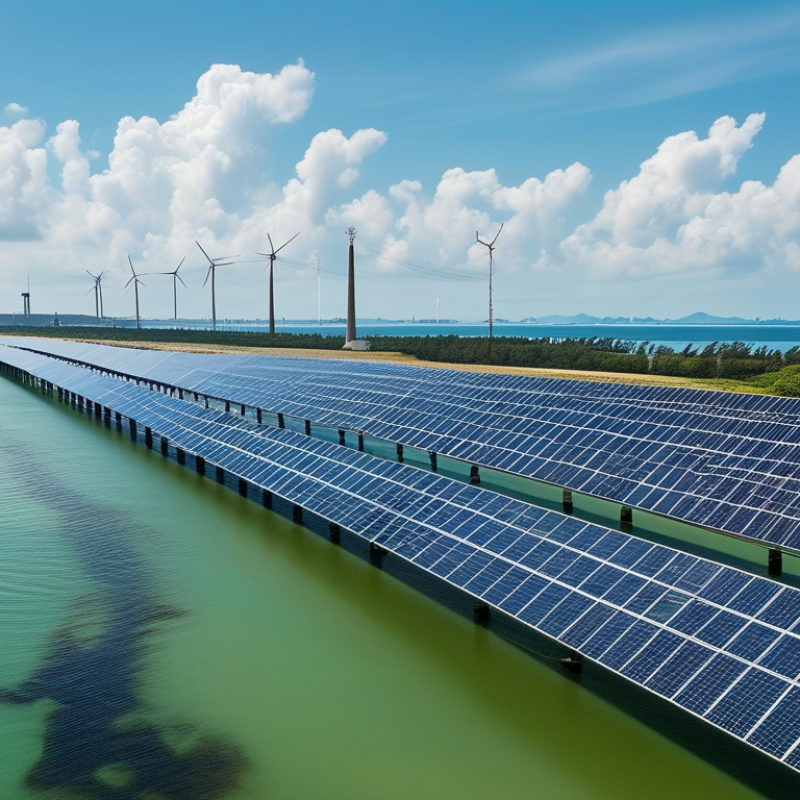
Hybrid energy storage solutions combine two or more technologies in one coordinated system. A typical installation may pair lithium batteries with supercapacitors, thermal storage, hydrogen, or pumped hydro. Each technology handles a different demand. Batteries provide steady energy for several hours. Supercapacitors respond almost instantly to sudden load changes.
An energy management system directs these assets through sensors, software, and power converters. When solar production rises, the system can charge the battery and store excess heat. During a cloudy period, the battery supplies the building. A supercapacitor may stabilize a crane, factory motor, or data center load within milliseconds. This reduces stress on the battery and can extend its useful service life.
Site conditions decide whether the design works well. Buyers should examine temperature, humidity, grid quality, fire protection, maintenance access, and local interconnection rules. A coastal project may need stronger corrosion control. A remote mine may value long-duration storage more than rapid power response. In practice, forecasts are never perfect. A system sized only from average demand may struggle during an unusual heatwave. Clear performance testing, usable capacity data, warranty terms, and independent safety verification matter more than impressive peak figures. Operators also need training, because poor control settings can waste energy or accelerate equipment wear.
Comparing global hybrid energy storage systems requires more than reading rated capacity. A 1 MWh system may deliver less usable energy after reserve limits, temperature controls, and battery aging.
Check usable capacity, round-trip efficiency, response time, and operating duration under the same test conditions.
A system serving a remote clinic may need reliable four-hour backup, while a factory may value fast peak shaving.
Battery chemistry affects safety, cycle life, weight, and maintenance. Ask for degradation data at the expected temperature, not only laboratory results. Thermal management matters in a desert container or a humid coastal site. Review fire detection, separation distances, emergency procedures, and internationally recognized safety testing.
Local grid codes, import rules, and installer qualifications also influence the real project schedule.
The control platform deserves equal attention. It should coordinate batteries, solar generation, generators, and grid services without complicated manual intervention.
Verify communication standards, cybersecurity practices, offline operation, and integration with existing meters.
In practical evaluations, unclear warranty conditions often create more risk than modest efficiency differences. Compare guaranteed capacity, response obligations, replacement terms, and service coverage across countries. Costs can rise through spare parts, software fees, transport, and technician travel. Some estimates still overlook these details. Ask for measured performance from a similar climate and duty cycle, then challenge assumptions that seem too perfect.
Hybrid energy storage is no longer limited to large utility projects. Different applications require different combinations of generation, storage duration, control systems, and safety measures.
For homes, solar panels paired with lithium-ion batteries can store midday power for evening cooking and lighting. Commercial buildings often combine rooftop solar, batteries, and thermal storage to reduce peak demand. Remote clinics may use solar, batteries, and a compliant backup generator for continuous medical equipment. Small wind farms can pair batteries with flywheels, which respond quickly to sudden power changes. Utility projects may combine solar, wind, and long-duration storage for overnight supply. This design needs careful forecasting.
Electric vehicle charging sites benefit from solar canopies, batteries, and intelligent load management. The battery can support several vehicles without forcing an expensive grid upgrade. Telecom towers commonly use solar panels, batteries, and efficient backup systems to maintain signals during outages. Farms can combine solar power, batteries, and pumped-water storage for irrigation schedules. Island communities may use wind, solar, batteries, and hydrogen storage, but maintenance skills and transport access must be assessed honestly. Industrial facilities can integrate renewable electricity, batteries, and thermal storage for furnaces or hot-water systems.
Field experience shows that a technically impressive system can still fail through poor sizing. Weather records, battery temperature, fire protection, local codes, and replacement plans deserve equal attention. Some projects also underestimate software reliability. A simple control strategy may outperform a complex one that operators cannot repair.
Selecting a hybrid energy storage solution starts with the market, not the product brochure. A rural clinic needs quiet backup during outages. A factory may need peak shaving, solar absorption, and stable power quality. An apartment project often values safety, compact installation, and predictable maintenance costs. Start with the load.
Review local grid rules, weather, tariffs, and connection limits before comparing specifications. In hot regions, check cooling performance and battery degradation at high temperatures. In cold markets, verify low-temperature charging controls. For weak grids, prioritize fast response and proven islanding protection. In areas with unstable supply, backup duration matters more than maximum daily cycling.
Size the system in both kilowatts and kilowatt-hours. Power supports heavy equipment; energy determines how long it runs. Ask for round-trip efficiency, usable capacity, fire protection, monitoring access, and independent safety testing. A five-year service plan should identify response times, spare parts, software support, and recycling responsibilities. Vague warranty language deserves caution.
I have seen projects overspend on capacity that rarely operates. That mistake is easy to make. A smaller system with accurate load data can deliver stronger returns. Yet forecasts are never perfect. Leave expansion space, test real operating conditions, and compare total cost over the expected service life. Local technicians and compliance knowledge may matter as much as battery chemistry.
Hybrid energy storage projects succeed when installation details match operating realities. The IEA’s Renewables 2024 report forecasts over 5,500 GW of new renewable capacity by 2030. This growth will increase demand for batteries, thermal storage, and long-duration systems.
Installation should begin with load profiles, weather data, and emergency access. Place batteries on raised foundations in flood-prone areas. Leave clear space around ventilation and fire-control equipment. Integration requires compatible inverters, energy-management software, and grid protection settings. Commissioning teams should test islanding, black starts, alarms, and communication failures. A small mistake here can cause expensive downtime.
Tips: Keep spare sensors, fuses, and communication modules on site. Record thermal images during inspections. Review battery temperature trends monthly. The IEA’s Global EV Outlook 2024 reports that battery demand for electric vehicles exceeded 750 GWh in 2023, showing rapid manufacturing scale and rising recycling pressure. Storage owners should therefore request traceable battery documentation and end-of-life plans. Maintenance is not only cleaning and firmware updates. It includes capacity testing, calibration, cybersecurity reviews, and supplier response checks. Future systems may combine batteries with hydrogen, thermal storage, and AI forecasting. However, predictive software is not infallible. Operators still need human verification, especially during unusual weather. Some projects overestimate savings because degradation and replacement costs receive too little attention.
Thank you for reaching out.
Your message has been received, and a member of the Bluestem Energy Solutions team will be in touch soon. We appreciate your interest and look forward to connecting.
