
China Top Skin Care Machine Manufacturers How to Choose?
Choosing among China’s top skin care machine manufacturers requires more than comparing prices or polished catalogs. Buyers may find impressive equipment, attractive packaging, and confident sales presentations. However, product quality, engineering experience, and after-sales support can differ considerably. This introduction explains how to evaluate a Skin Care Machine manufacturer before signing a purchase agreement. It examines factory experience, product design, safety documentation, testing records, customization ability, and communication during sampling. A dependable supplier should clearly explain energy output, treatment principles, contraindications, maintenance requirements, and operator training. Vague claims need careful questions. Real evidence matters more.
The guide also considers manufacturing capability and long-term cooperation. Ask whether the factory can provide product records, quality-control procedures, component details, and serial-number traceability. Request relevant certifications and confirm their scope, issuing organization, and validity. Where appropriate, seek independent test reports and speak with existing customers. Review warranty coverage, spare-part availability, repair response times, and software support before placing an order. A low purchase price may become expensive when training is weak or replacement parts are delayed. No checklist is perfect. A factory visit can create confidence, but it cannot replace technical verification. Some decisions may still involve uncertainty. Buyers should record their requirements, compare documented evidence, and test sample performance under realistic operating conditions. This practical approach supports safer purchasing, clearer expectations, and more reliable cooperation with Chinese manufacturers.
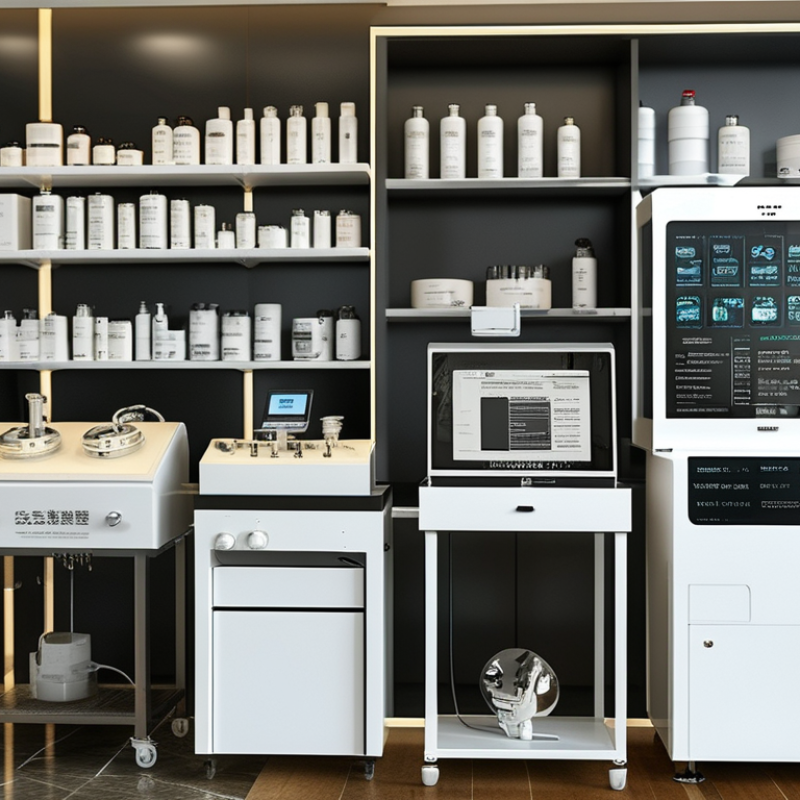
Understanding China’s Skin Care Machine Manufacturing Industry
China Top Skin Care Machine Manufacturers: How to Choose?
Understanding China’s Skin Care Machine Manufacturing Industry
China’s skin care machine industry combines electronics, precision manufacturing, and beauty-service demand. Grand View Research valued the global aesthetic devices market at about US$15.4 billion in 2023. Its forecast also indicates strong growth through 2030. This pressure encourages Chinese factories to improve production speed, customization, and technical support.
The manufacturing picture is broader than a catalog. Serious suppliers usually manage circuit assembly, housing production, software testing, and final calibration. During a factory visit, check the details: clean workbenches, serial-number records, test videos, and replacement-part storage. Ask how often energy output, temperature, and safety sensors are verified. ISO 13485 certification can support quality control, but certification alone proves little.
Look closer.
Mordor Intelligence reports continued expansion in the global beauty devices market, driven by home-use technology and professional treatment demand. However, market growth does not guarantee consistent machine quality. Some suppliers may outsource key components without explaining the arrangement. That matters when repairs are needed. A reliable manufacturer should provide clear specifications, user training, warranty terms, and traceable inspection records. Product claims also require careful review. “Advanced” is not a test result. Buyers should compare sample performance, documentation, and after-sales response before choosing a long-term manufacturing partner.
| Evaluation Dimension | Typical Industry Information | What Buyers Should Verify | Practical Selection Criteria | Evidence to Request |
|---|---|---|---|---|
| Main Manufacturing Clusters | Important production activity is concentrated in developed manufacturing areas such as Guangdong, Zhejiang, Jiangsu, and Shanghai. | Factory location, access to component suppliers, engineering resources, export experience, and after-sales coverage. | Choose a supplier with a stable local supply chain and convenient access for audits or inspections. | Factory address, business license, production-site photographs, and audit records. |
| Common Machine Categories | Hydra dermabrasion RF systems Ultrasonic devices LED systems Oxygen infusion Cryotherapy | Whether the machine’s technology matches the intended treatment, target market, and operator training level. | Prioritize a focused product range rather than a catalogue containing unsupported or duplicated technologies. | Technical specification sheet, user manual, treatment protocol, and product demonstration. |
| Applicable Standards | Electrical skin-care equipment may involve requirements related to IEC 60601-1, while quality management is commonly assessed against ISO 9001. Medical-device applications may require additional regulatory controls. | Applicable standards depend on product classification, intended use, target country, and whether therapeutic claims are made. | Do not treat a generic certificate as proof of compliance for every model or every market. | Valid certificates, test reports, product scope, certificate number, issuing body, and expiry date. |
| Product Classification | Beauty and wellness equipment, professional aesthetic equipment, and medical devices can have different regulatory obligations. | Intended use, treatment claims, energy output, contact with skin, and local market classification. | Confirm classification before finalizing design, labeling, advertising, and import documentation. | Declaration of conformity, risk assessment, labeling files, and market-specific regulatory documents. |
| Core Technical Parameters | Important parameters may include frequency, energy level, wavelength, temperature range, vacuum pressure, pulse duration, and treatment area. | Whether the displayed parameters are measurable, adjustable, repeatable, and suitable for the intended application. | Compare technical values only when the testing method and measurement conditions are consistent. | Calibration records, laboratory test results, engineering drawings, and sample performance data. |
| Safety Design | Relevant features can include over-temperature protection, electrical insulation, emergency stop functions, automatic fault alerts, and protective eyewear for light-based equipment. | Protection against burns, electrical hazards, excessive energy delivery, fluid leakage, and incorrect operation. | Safety functions should operate automatically and should not depend solely on operator judgment. | Risk-management file, safety test report, alarm test records, and user safety instructions. |
| Quality-Control Process | A mature production process normally includes incoming-material inspection, assembly checks, functional testing, aging tests, and final inspection. | Traceability of key components, inspection frequency, testing equipment, and handling of nonconforming products. | Prefer suppliers with documented procedures and serial-number-based records. | Quality manual, inspection checklist, sample inspection report, and corrective-action records. |
| Customization Capability | Common customization areas include housing design, user interface language, logo placement, handpiece configuration, software settings, and packaging. | Whether customization changes the technical file, safety performance, regulatory status, or service requirements. | Define the approved specification before production and control all engineering changes in writing. | Approved artwork, product specification, change-control form, and pre-production sample. |
| Minimum Order and Sampling | Order quantities vary by product complexity, customization level, tooling requirements, and packaging configuration. | Sample availability, sample price, sample lead time, and whether the sample represents mass production. | Use a paid production sample for technical validation before placing a larger order. | Quotation, sample invoice, golden-sample agreement, and inspection criteria. |
| Lead-Time Planning | Production schedules are influenced by component availability, software configuration, tooling, testing, and packaging approval. | Separate timelines for sampling, tooling, production, inspection, and shipment. | Request a milestone-based schedule with clear approval points and delay responsibility. | Project schedule, purchase contract, production update, and shipment plan. |
| After-Sales Service | Professional equipment commonly requires installation guidance, operator training, troubleshooting, spare parts, and warranty support. | Response time, remote support channels, warranty exclusions, spare-parts availability, and software support. | Choose a supplier that provides structured technical documentation rather than informal messaging only. | Warranty policy, service-level agreement, spare-parts list, training material, and repair procedure. |
| Export and Packaging Readiness | International shipments may require suitable electrical specifications, plug types, multilingual labels, transport protection, and customs documents. | Destination-country voltage, frequency, plug standard, labeling rules, and import documentation. | Confirm packaging and electrical configuration before production, especially for mixed-market orders. | Packing list, commercial invoice, product label, electrical diagram, and shipping test record. |
| Total Cost of Ownership | Total cost includes equipment price, accessories, consumables, freight, customs, training, maintenance, calibration, and replacement parts. | Recurring costs and the expected service life of handpieces, lamps, filters, pumps, cables, and other wear components. | Compare five-year operating cost instead of comparing purchase price alone. | Full quotation, consumables price list, maintenance schedule, and spare-parts quotation. |
| Supplier Due Diligence | Reliable assessment combines document review, factory verification, sample testing, reference checks, and contract control. | Consistency between the legal entity, factory, certificates, bank account, product model, and shipping documents. | Use at least two independent verification methods before making a large payment. | Business registration, factory audit, certificate verification, sample test report, and signed contract. |