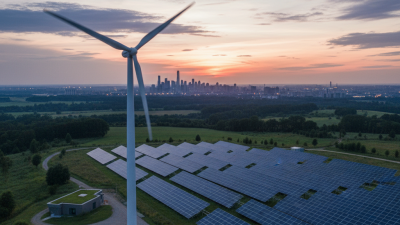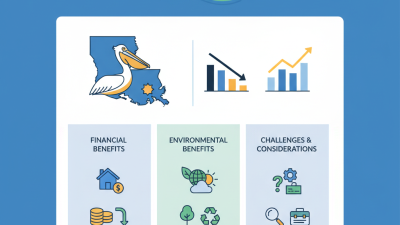
In the quest for a sustainable energy future, solar farm installation plays a crucial role. Experts like Dr. Emily Carter, a leading renewable energy scientist, emphasize, "Solar farms are not just energy producers; they are essential for reducing our carbon footprint." This statement highlights the importance of transitioning to cleaner energy sources.
As the world grapples with climate change, installing solar farms offers various benefits. They create job opportunities and stimulate local economies. Each solar panel harnesses sunlight, turning it into electricity for thousands of homes. However, challenges remain. There are concerns regarding land use and ecological impacts.
Despite these challenges, the benefits of solar farm installation are clear. It represents progress toward a greener planet. Investing in solar farms can lead to energy independence and sustainability. As communities embrace this shift, it is vital to acknowledge potential downsides. To ensure success, responsible planning and adaptation are necessary.
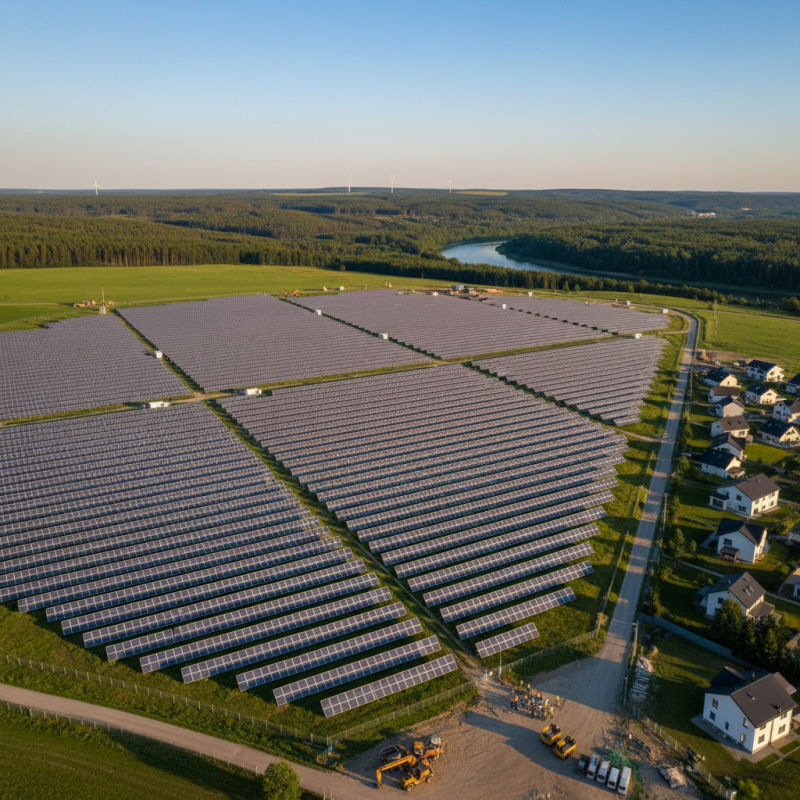
Solar farms play a crucial role in our transition to renewable energy. They harness sunlight to generate electricity, reducing dependence on fossil fuels. Installing solar farms contributes to a cleaner environment by lower carbon emissions. This shift is essential for combating climate change and ensuring a sustainable energy future.
Many regions are seeing the benefit of solar energy. Communities can thrive by adopting local solar farms. They create jobs in installation and maintenance. Furthermore, they can provide power to nearby homes and businesses. This local energy source increases resilience during power outages. However, some challenges exist. Not all areas are suitable for solar installation due to space or weather conditions.
Tips for optimizing solar farm performance include regular maintenance checks. Keeping panels clean helps maximize energy output. Additionally, evaluating land use efficiently can combine agriculture and solar energy. This practice is called agrivoltaics. Collaborating with local authorities ensures projects meet community needs. Engaging stakeholders promotes transparency and builds trust. Solar farms are a vital component of a sustainable energy landscape, paving the way for a greener future.
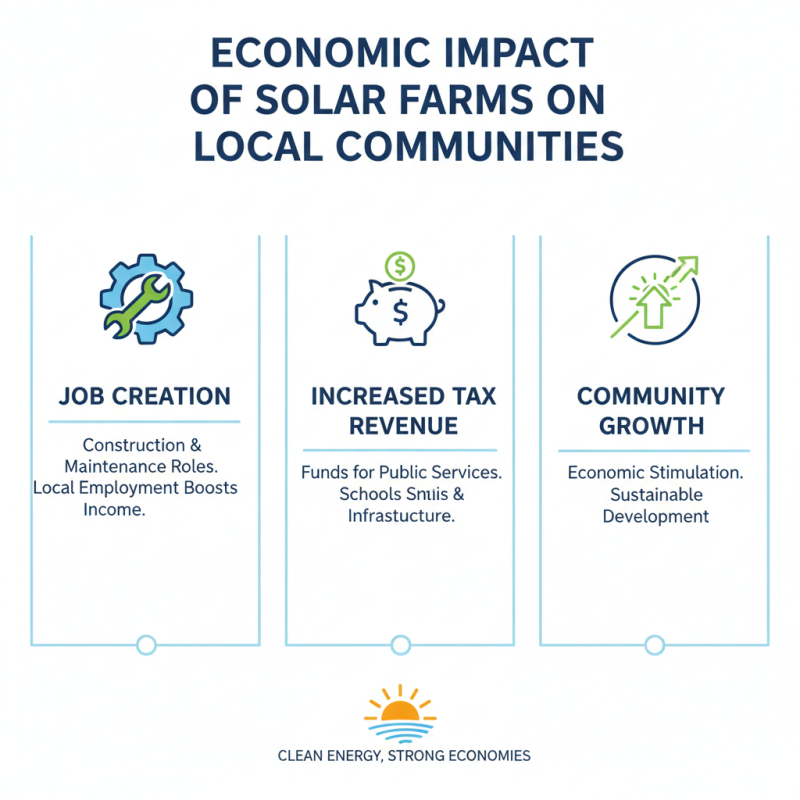
Solar farm installations play a crucial role in promoting a sustainable energy future. These projects not only generate renewable energy but also offer significant environmental benefits. According to the National Renewable Energy Laboratory, solar energy can reduce greenhouse gas emissions by up to 90% compared to fossil fuels. This shift is essential for combating climate change and reducing air pollution.
Additionally, solar farms minimize land degradation by utilizing previously disturbed areas. A report from the International Energy Agency indicates that solar energy can help preserve ecosystems while supporting biodiversity. The implementation of solar installations can also lead to reduced water usage, as traditional energy sources often require significant water for cooling processes.
Tips: When considering solar energy, focus on optimal site selection to maximize efficiency. Regular maintenance ensures peak performance, while community engagement can help address local concerns. Embracing solar energy is not without challenges, such as initial installation costs and energy storage technology. However, these hurdles are important to recognize in the broader scope of sustainable development.
| Benefits | Description | Impact on Environment |
|---|---|---|
| Reduction of Carbon Footprint | Solar farms convert sunlight into electricity, reducing reliance on fossil fuels. | Decreases greenhouse gas emissions, contributing to cleaner air. |
| Conservation of Water | Solar energy generation uses significantly less water compared to traditional energy sources. | Preserves water resources, essential for health and agriculture. |
| Biodiversity Support | Properly designed solar farms can enhance habitats for local wildlife. | Promotes ecosystem diversity and strengthens resilience. |
| Reduction of Air Pollution | Solar farms generate energy without emitting harmful pollutants. | Improves air quality and public health. |
| Job Creation | Installation and maintenance of solar farms create numerous employment opportunities. | Stimulates local economies while promoting sustainable practices. |
The installation of solar farms significantly influences local economies. These projects create jobs, from construction to maintenance. Local workers often find employment in these ventures, which boosts the community’s income. Additionally, renewable energy initiatives can increase local tax revenues. These funds can enhance public services in schools and infrastructure.
Economic growth can sometimes raise concerns. Rapid development may lead to increased property prices, affecting low-income families. Local businesses may struggle to compete against larger entities connected with solar farms. Policymakers must balance growth and community needs. Active participation from locals can ensure that solar projects serve everyone fairly.
Moreover, solar farms can stabilize energy costs over time. This affordability benefits households and businesses alike. Communities with solar investments often see reduced reliance on fossil fuels. While challenges exist, the broad strokes of solar energy create potential for significant economic uplift in local areas. Engaging stakeholders is key to realizing these benefits fully.
The importance of solar farm installation for a sustainable energy future cannot be overstated. Technological advancements in solar energy solutions have dramatically increased their efficiency and affordability. According to the International Energy Agency (IEA), solar power could generate up to 16% of global electricity by 2050. This transition hinges on innovations in photovoltaic technology and energy storage systems.
Recent studies show that advancements such as bifacial solar panels and improved inverter technology enhance energy capture significantly. Reports indicate that bifacial panels can produce up to 30% more energy compared to traditional panels. However, not all solutions are foolproof. There are performance inconsistencies due to environmental factors, which need further exploration.
Tips: Regular maintenance of solar farms ensures optimal performance. Monitoring systems can help identify underperforming panels. Consider exploring energy storage solutions to maximize energy utilization. Keeping up with technological updates can lead to better investments in solar energy.
This chart demonstrates the growth in solar farm installation capacity measured in gigawatts (GW) from 2015 to 2022. As technological advancements and investments in renewable energy increase, the capacity of solar farms has expanded significantly, contributing to a sustainable energy future.
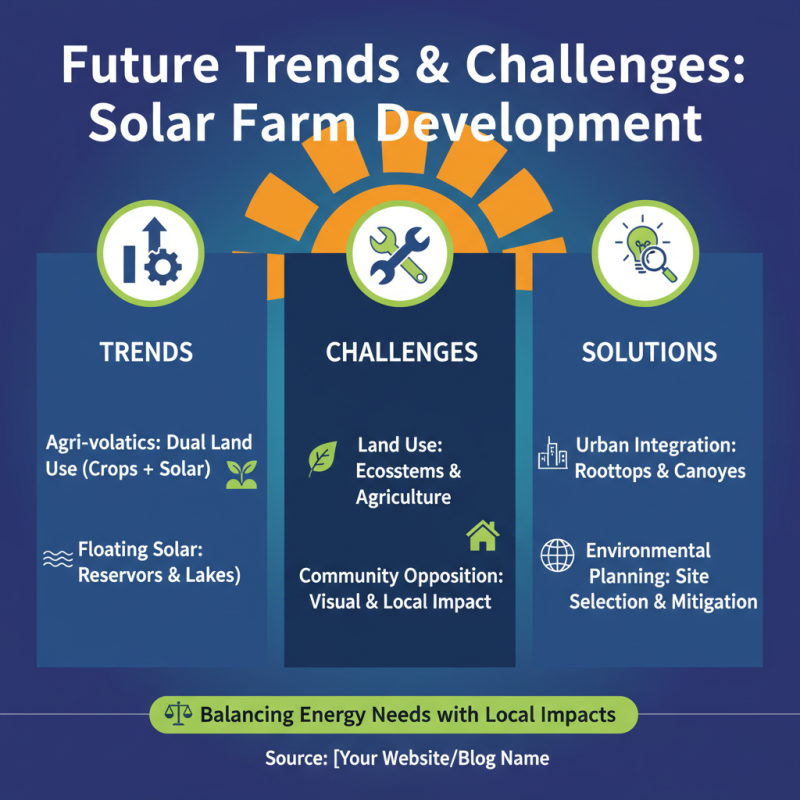
Solar farm development is not without its challenges. One major concern is land use. Finding suitable locations that do not disrupt ecosystems or agricultural land is crucial. Urban areas may lack space, while rural sites may face pushback from communities. Balancing energy needs with local impacts requires careful planning.
Technological advancements hold promise, but they must keep pace with demand. Solar panels are becoming more efficient, yet we still need storage solutions. Energy can’t always be generated on demand. Innovations in battery technology are imperative to store solar energy for later use. This presents both a challenge and an opportunity for researchers and engineers.
Regulatory frameworks are another critical component. Regulations can vary greatly across regions. This inconsistency may slow down project approvals. Navigating these bureaucratic hurdles requires expertise and patience. Developers must advocate for streamlined processes to promote faster solar adoption. Addressing these complexities is vital for a sustainable energy future.
Thank you for reaching out.
Your message has been received, and a member of the Bluestem Energy Solutions team will be in touch soon. We appreciate your interest and look forward to connecting.