What is Wind Solar Energy and How Does it Work?

Wind solar energy represents a synergy of two powerful renewable resources: wind and solar power. This combination creates an efficient, sustainable energy solution. Dr. Emily Carter, a leading expert in the field, emphasizes, “Harnessing wind solar technology can significantly reduce our carbon footprint.”

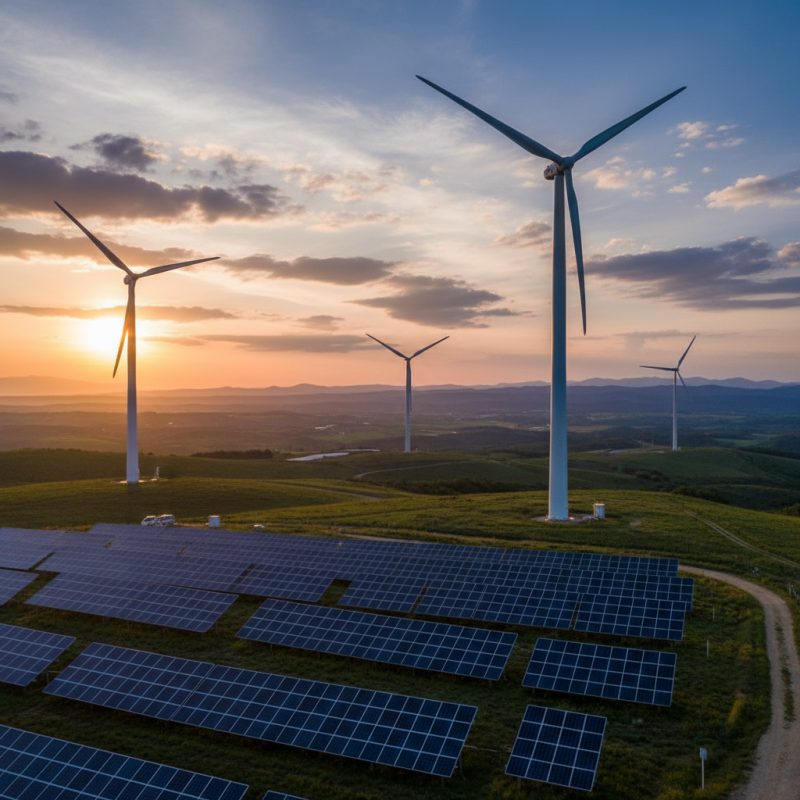
In various regions, wind solar installations have transformed landscapes. Wind turbines spin gracefully while solar panels soak up sunlight. Together, they generate energy even on cloudy days. However, it is essential to recognize the challenges. Space requirements and energy storage can complicate implementation.

The effectiveness of wind solar systems often depends on local conditions. Some sites are better suited than others. It’s crucial to analyze geographic and meteorological factors. Overall, wind solar energy offers a promising future for clean energy. Yet, ongoing research and investment are necessary to optimize these technologies for broader use.
What is Wind Solar Energy and How Does it Work?

Definition of Wind Solar Energy and Its Components
What is Wind Solar Energy and How Does it Work?

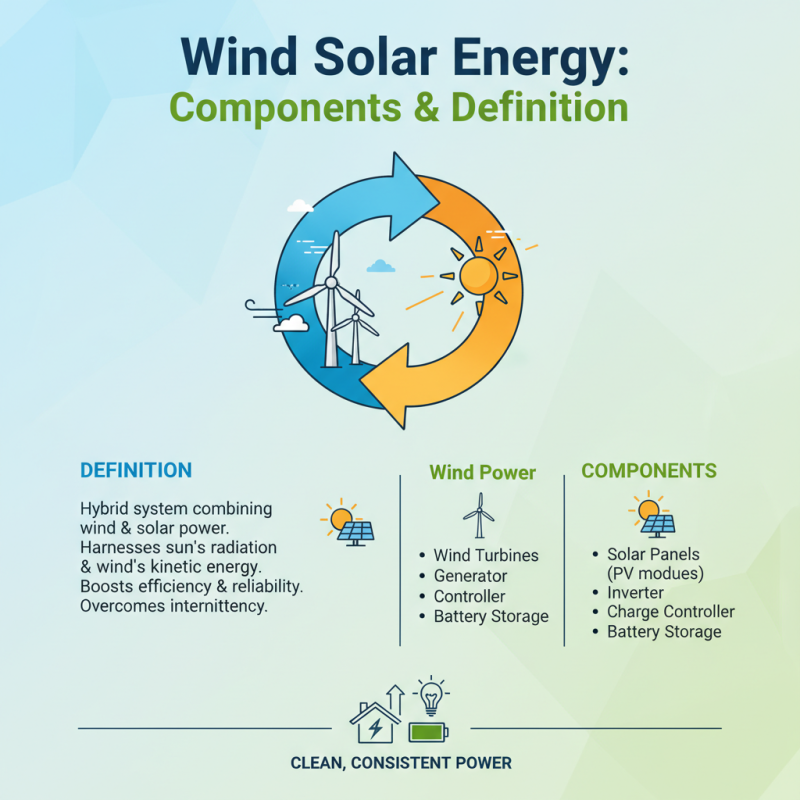
Wind solar energy is a combination of two powerful renewable energy sources: wind and solar power. Both work together to harness the sun's energy and the wind's kinetic energy. This hybrid system aims to increase energy efficiency and reliability. It addresses the intermittency issues that often challenge each source when used alone.

The components of wind solar energy systems include wind turbines, solar panels, inverters, and energy storage solutions. Wind turbines capture wind energy and convert it into electricity. Solar panels do the same with sunlight, transforming it into usable power. Inverters play a crucial role by converting direct current from solar panels into alternating current for household use. Energy storage systems, like batteries, store excess power for later use, ensuring a consistent energy supply during low production periods.

While the integration of these technologies shows promise, challenges exist. Such systems sometimes face site limitations, as locations suitable for both wind and solar energy may be rare. Additionally, the initial installation can be costly and complex. These factors require careful consideration. Overall, wind solar energy offers a sustainable path forward, but like any solution, it demands ongoing evaluation.
How Wind Energy is Harnessed for Electricity Generation

Wind energy is a clean and renewable resource. It is generated by harnessing the kinetic energy from wind movement. Wind turbines are usually placed in open areas where the wind blows consistently. These turbines convert wind energy into mechanical power.


When the wind blows, it turns the blades of the turbine. This movement spins a rotor inside a generator. The generator then converts this kinetic energy into electricity. This process is efficient and produces no harmful emissions.


While the technology is promising, some challenges remain. Wind is not always reliable. Turbines may stop on calm days. There is also the environmental impact of turbine installation. Local wildlife can be affected. Ongoing research aims to address these issues. Finding a balance between development and conservation is critical.

Principles of Solar Energy Conversion and Its Technologies

What is Wind Solar Energy and How Does it Work?

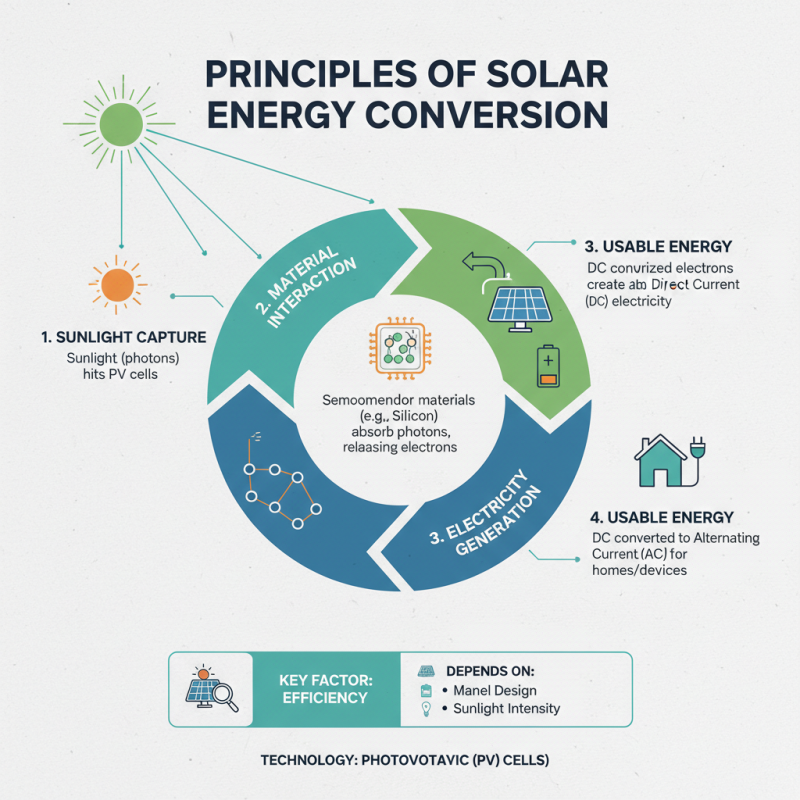
Solar energy conversion involves transforming sunlight into usable energy. This process primarily takes place through photovoltaic (PV) cells, which are made of semiconductor materials. When sunlight hits these cells, it energizes electrons, generating direct current (DC) electricity. The efficiency of this conversion depends on various factors, including the type of materials used and the design of the solar panels.

Another significant aspect is solar thermal energy. This technology captures sunlight to produce heat. It uses mirrors or lenses to concentrate solar energy, which can then heat a fluid. This heated fluid can generate steam to drive turbines, producing electricity. While both methods are effective, they each have their limitations. For example, PV cells may struggle in low-light conditions, and solar thermal systems require ample space and specific geographic conditions.

Despite ongoing innovations, challenges remain. Efficiency remains an issue, and proper materials can be costly. Scaling up systems to meet global energy needs presents further hurdles. It is important to consider these factors when evaluating the potential of solar energy technologies. Progress in this field is promising but requires careful consideration of real-world applications and limitations.

Comparative Advantages of Wind and Solar Energy Sources

Wind and solar energy have distinct advantages in the renewable sector. Wind energy, generated through turbines, harnesses kinetic energy from the wind. According to the Global Wind Energy Council, global wind capacity reached over 743 gigawatts in 2021. This source is reliable, particularly in areas with consistent wind patterns. However, it can be intermittently affected by weather changes.

Solar energy, on the other hand, converts sunlight into electricity through photovoltaic cells. The International Renewable Energy Agency reported that solar capacity increased by 20% in 2021 alone. Solar systems are often easier to install, allowing for decentralized energy production. Yet, they depend on sunlight availability, making them less effective during cloudy days or nights.

Both energy sources play crucial roles in reducing greenhouse gas emissions. They also have specific limitations, such as land use and environmental impact. Balancing these advantages and drawbacks is essential for sustainable development. Understanding these nuances aids in optimizing renewable energy policies and investments.

Challenges and Future Prospects of Wind Solar Energy Integration

Integrating wind and solar energy poses several challenges. These renewable sources are intermittent. Wind patterns fluctuate, and solar energy depends on sunlight. Both must be managed effectively for a stable power supply.

Energy storage is crucial. Current technology includes batteries and pumped hydro systems. However, these solutions can be costly and complex. Inefficient storage means excess energy might go unused. Improving storage methods requires innovation and investment.

Grid integration also presents difficulties. Existing grid infrastructures need upgrades to handle variable power inputs. This transition can be slow and expensive. Moreover, regulatory hurdles can delay progress. Stakeholders must collaborate to address these issues. It’s essential to develop smarter grids that can adapt to renewable sources while ensuring reliability.

Wind Solar Energy Integration: Capacity Growth (2015-2022)