Choosing reliable suppliers matters when planning solar power in nc for a home, farm, or commercial building. North Carolina’s sunlight, utility rules, weather patterns, and local permitting requirements can affect every project. A strong supplier should provide more than panels and attractive pricing. Look for verified product specifications, transparent warranties, responsive technical support, and installation partners familiar with North Carolina conditions.
This guide introduces ten suppliers worth reviewing before you request proposals. The selection focuses on product quality, service experience, project suitability, and supplier credibility. It also considers practical details, such as inverter options, battery storage, roof compatibility, delivery schedules, and after-sales support. Ask for documented performance data. Check whether warranty terms are easy to understand. Small details often become expensive problems later.
No supplier is perfect.
Some companies may excel in commercial systems but offer limited residential guidance. Others may provide competitive equipment yet depend heavily on third-party installers. That difference deserves attention. Pricing can also change with equipment availability, financing conditions, and policy updates. Readers should verify current certifications, local licensing requirements, and contract terms independently. A supplier’s website is useful, but it should not be the only source of evidence.
The best choice will depend on your roof, energy consumption, budget, and long-term plans. A careful comparison can reveal which companies offer dependable value, not merely impressive sales language. This overview is a starting point, not a substitute for professional site assessment.

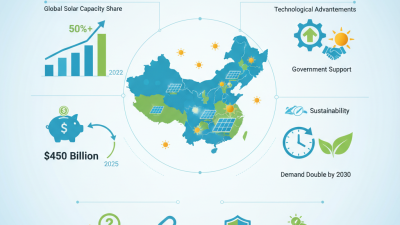
North Carolina’s solar supplier market is expanding with strong policy support and rising customer demand. SEIA and Wood Mackenzie reported 32.4 gigawatts of new U.S. solar capacity in 2023, a 51% annual increase. North Carolina remains one of the leading states for installed solar capacity, exceeding 8 gigawatts according to SEIA’s 2024 state data. This scale attracts many suppliers, but capacity alone does not prove reliability.
A practical buyer should compare suppliers through measurable standards. Review module warranties, inverter replacement terms, installation experience, and local permitting knowledge. Check whether the supplier supports battery storage and changing utility-rate structures.
The National Renewable Energy Laboratory’s 2024 cost benchmarks show that residential solar pricing still varies widely by system size and location. Quotes should therefore separate equipment, labor, interconnection, and maintenance costs. Details matter.
Supplier rankings can also mislead. A large product catalog may hide weak after-sales service. Smaller suppliers may offer closer project support, but their financial resilience requires careful checking. Request recent project references, verified licenses, insurance records, and clear production estimates.
The Solar Energy Industries Association recommends evaluating contract transparency and consumer protections. I would also question optimistic payback periods, especially when electricity rates or export credits change. That is risky.
Market data provides direction, not certainty. Weather, roof shading, permitting delays, and grid constraints can change actual results. A dependable North Carolina supplier should explain those uncertainties before requesting a deposit.
China Top 10 Solar Power in NC Suppliers to Buy From
How to Evaluate Chinese Solar Suppliers for North Carolina Projects
Selecting a Chinese solar supplier for a North Carolina project requires more than comparing module prices. Review manufacturing records, product certifications, and export experience. Ask for current test reports covering IEC standards, UL 1703 or UL 61730, and inverter compliance with UL 1741 and IEEE 1547. These documents support local permitting and utility interconnection reviews.
Request a sample bill of materials before signing. Check cell technology, module dimensions, connector compatibility, and expected degradation. North Carolina’s coastal projects face salt air and strong storms, while inland sites may experience freezing conditions. Ask for salt-mist, hail, wind-load, and mechanical-load test results. A factory audit can reveal storage problems, weak quality controls, or subcontracted production. Product traceability matters.
Study the supplier’s warranty process in practical detail. Who pays shipping for failed equipment? How quickly are replacement units dispatched? Is technical support available during Eastern Time business hours? Verify financial stability, insurance coverage, delivery history, and references from comparable U.S. projects. Also confirm current customs duties, trade restrictions, and documentation requirements with qualified professionals. Rules can change.
A low quote may hide risk.
During evaluation, avoid trusting polished brochures alone. I have seen attractive specifications fail to explain temperature coefficients or warranty exclusions. Some suppliers answer clearly; others need repeated questions. That difference deserves attention. A reliable partner provides consistent documents, realistic production schedules, and evidence that its products fit North Carolina’s permitting and operating conditions.
This supplier-evaluation framework uses practical procurement criteria for North Carolina solar projects. The percentages are suggested scoring weights rather than rankings of any company or brand.
Prioritize products with applicable North American electrical certifications, documented warranty terms, reliable delivery capacity, proven degradation performance, and technical support for permitting, interconnection, and installation requirements in North Carolina.
North Carolina buyers need more than a low equipment quote. The right supplier should understand humid summers, coastal salt air, and sudden storm exposure. Among China’s top ten solar power suppliers, compare module efficiency, degradation rates, inverter compatibility, and documented quality controls. Ask for current test reports, factory audit records, and traceable serial numbers. Do not rely on polished product pages alone.
A dependable supplier should provide electrical documents for local installers. Check compatibility with North Carolina utility requirements and applicable interconnection standards. UL 1741 and IEEE 1547 documentation can support technical review, but local approval still matters.
Request wind-load data for the project location. Coastal homes may need stronger mounting protection and corrosion-resistant hardware. Delivery terms should identify insurance, customs responsibilities, replacement procedures, and expected lead times.
Warranty language deserves careful reading. Does it cover labor, shipping, and failed components, or only the part itself? A responsive technical team can save an installer hours during commissioning. Ask whether support operates across North American time zones. Request references from comparable residential or commercial projects.
A lower price may hide slower warranty handling or limited spare inventory. I would also test communication before ordering, because unclear answers often become expensive later.
No supplier is perfect; even strong documentation cannot replace a qualified local installer, accurate roof measurements, and a realistic assessment of shade, drainage, and seasonal production.
Comparing North Carolina solar suppliers requires more than checking panel wattage. The SEIA and Wood Mackenzie 2024 report recorded about 50 GW of new U.S. solar capacity. That growth increases supplier choices, but quality still varies.
Ask for module efficiency, inverter type, battery compatibility, and expected annual production. A strong proposal should show shade analysis, roof measurements, system losses, and estimated output in kilowatt-hours. Numbers matter.
Certification should be verified, not assumed. Look for UL 61730 and IEC 61215 testing for modules, plus UL 1741 compliance for inverters. Installers should also follow the National Electrical Code and use properly licensed electricians.
NABCEP credentials can support technical credibility, although they do not guarantee perfect workmanship. The U.S. Department of Energy recommends comparing complete system costs, not only advertised equipment prices.
Recent EnergySage marketplace data places residential solar pricing near the low-three-dollar-per-watt range, but North Carolina quotes differ by roof design, financing, storage, and permitting.
Read the contract carefully. Check workmanship coverage, equipment warranties, monitoring access, service response times, and who handles inspections. Ask for three recent local references.
Real experience shows in clean conduit runs and clear labeling. Service can be harder to measure. A low quote may exclude tree removal or electrical upgrades. That is easy to miss.
Suppliers should explain production assumptions honestly, including cloudy months and battery replacement risks. My comparison would score transparency above a small discount, though even that judgment deserves review.
Choosing among China’s top solar power suppliers for a North Carolina project requires more than comparing panel prices. Ask whether the supplier understands local conditions, including humid summers, coastal salt exposure, roof wind loads, and utility interconnection rules. Request current test reports, product datasheets, traceable serial numbers, and clear warranty terms. Look for relevant safety certifications, such as those required for photovoltaic modules and inverters in the United States. Documents should be verifiable, not simply attached as scanned files.
Experience matters during purchasing. Ask how the supplier handles damaged cartons, missing parts, delayed shipments, and warranty claims. A reliable supplier should provide packaging photos, inspection procedures, estimated lead times, and replacement terms before receiving your deposit. Check whether its technical team can support system sizing, inverter compatibility, monitoring setup, and North Carolina permitting requirements. Confirm that your installer holds the appropriate state credentials and can coordinate with the local utility.
Do not choose from a polished catalog alone. Speak with recent commercial or residential buyers, if possible. Compare at least three written quotations using the same system capacity and delivery conditions. A cheaper offer may exclude freight, spare components, testing, or after-sales labor. That detail is easy to miss. I would also allow extra time for customs and seasonal shipping pressure, because delivery estimates can change. My own preference would be a supplier that explains limitations openly, even when its price is not the lowest. Mistakes happen, but hidden assumptions create larger costs.
| No. | Supplier Profile | Typical Project Size | Primary Customer Type | Procurement Capability to Verify | Required Technical Documents | Warranty Terms to Check | Typical Delivery Window | Best Fit |
|---|---|---|---|---|---|---|---|---|
| 1 | Residential Turnkey Supplier | 3–15 kW rooftop systems | Homeowners and small residential buildings in North Carolina | Authorized electrical contractor, local permitting support, and itemized quotation | System layout, single-line diagram, equipment datasheets, structural review, and permit package | Separate product, workmanship, roof-penetration, and performance warranties | Approximately 4–10 weeks after contract and permit approval | Simple home installations |
| 2 | Small Commercial EPC Supplier | 15–250 kW rooftop systems | Retail stores, offices, farms, and small industrial facilities | Commercial engineering experience, utility interconnection support, and project references | Load analysis, production model, roof plan, electrical design, structural calculations, and interconnection documents | Module and inverter warranties plus clearly defined EPC workmanship coverage | Approximately 8–16 weeks, depending on permitting and utility review | Small commercial projects |
| 3 | Agricultural Solar Supplier | 30–500 kW rooftop or ground-mounted systems | Farms, agricultural processing buildings, and rural properties | Experience with agricultural loads, soil conditions, drainage, and land-use requirements | Site survey, shading report, civil plan, stormwater considerations, structural design, and utility application | Corrosion protection, racking warranty, workmanship coverage, and vegetation-management responsibilities | Approximately 10–20 weeks | Farms and rural facilities |
| 4 | Battery-Integrated Solar Supplier | 5–30 kW solar with 10–80 kWh storage | Homes and businesses requiring backup power or peak-load management | Battery commissioning experience, transfer-switch design, and emergency-load planning | Backup-load schedule, battery compatibility statement, one-line diagram, operating modes, and safety documentation | Battery capacity-retention warranty, inverter warranty, installation warranty, and replacement procedure | Approximately 6–14 weeks | Backup-power applications |
| 5 | Ground-Mount EPC Supplier | 100 kW–5 MW systems | Commercial landowners, institutions, and private development projects | Land due diligence, geotechnical coordination, civil construction, and medium-voltage capability | Topographic survey, geotechnical report, civil drawings, electrical design, fencing plan, and commissioning plan | Foundation, racking, tracker if used, workmanship, and long-term operations coverage | Approximately 6–14 months | Large ground-mounted systems |
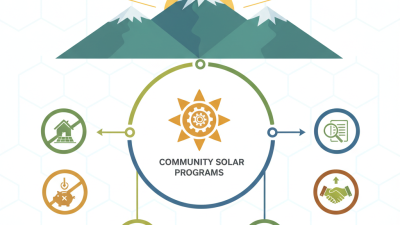
| 6 | Community Solar Project Supplier | 500 kW–10 MW shared solar projects | Multiple subscribers, municipalities, utilities, and community organizations | Subscriber-management process, utility coordination, financial transparency, and long-term operations plan | Interconnection study, energy-yield model, subscriber structure, site-control documents, and compliance plan | Performance guarantees, availability targets, operations response time, and reporting obligations | Approximately 12–24 months | Shared solar programs |
| 7 | Industrial Solar Supplier | 250 kW–5 MW rooftop or ground-mounted systems | Manufacturing plants, warehouses, and distribution centers | High-load electrical design, shutdown planning, safety management, and construction scheduling | Arc-flash coordination, power-quality analysis, structural review, protection study, and detailed construction drawings | Equipment warranties, roof warranty coordination, construction warranty, and response-time commitments | Approximately 6–15 months | Energy-intensive facilities |
| 8 | Solar Operations and Maintenance Supplier | 100 kW–10 MW existing systems | Owners needing monitoring, inspections, repairs, and performance optimization | Remote monitoring center, preventive-maintenance schedule, spare-parts program, and documented service-level agreement | As-built drawings, equipment inventory, monitoring access, inspection reports, and emergency procedures | Service-level response time, repair workmanship, replacement parts, and annual performance reporting | Service commencement in 2–8 weeks | Existing solar assets |
| 9 | Solar Equipment Distribution Supplier | Residential, commercial, and utility-scale components | EPC contractors, installers, electrical contractors, and project developers | Warehouse location, stock availability, batch traceability, technical support, and return procedures | Product datasheets, certification records, serial-number records, packing lists, and safety documentation | Manufacturer-backed product warranty, shipping-damage policy, and distributor return terms | In-stock items: days; special orders: commonly 4–16 weeks | Contractors buying equipment |
| 10 | Solar Design and Consulting Supplier | Residential through multi-megawatt projects | Property owners, investors, developers, and buyers comparing EPC bids | Independent engineering capability, financial-model review, bid comparison, and owner-side inspection | Site feasibility report, energy model, technical specifications, bid evaluation matrix, and construction-inspection reports | Professional-liability coverage, deliverable acceptance criteria, revision limits, and post-design support | Approximately 2–12 weeks for design and procurement support | Independent supplier selection |
Thank you for reaching out.
Your message has been received, and a member of the Bluestem Energy Solutions team will be in touch soon. We appreciate your interest and look forward to connecting.